
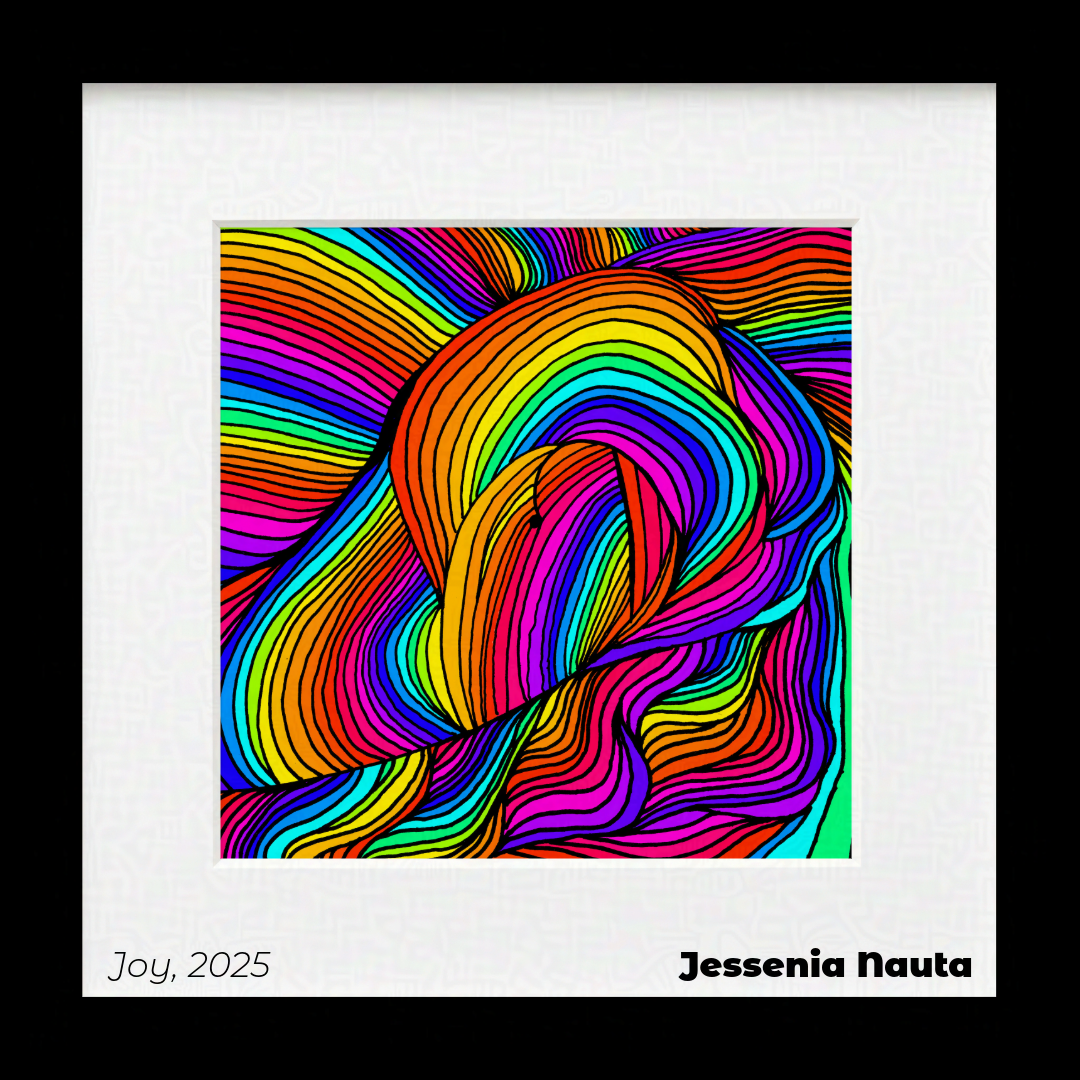
Gender Euphoria and Clothing: How Color and Art Create Space for Joy
What Is Gender Euphoria?
Gender euphoria is the joy or satisfaction that comes when a person’s gender experience or expression aligns with their gender identity. It is often described as the opposite of gender dysphoria. The term is mostly used for transgender and nonbinary people, and anyone can experience it.
The Trevor Project surveyed 998 transgender and nonbinary young people. Those reporting greater gender euphoria had 47% lower odds of recent depression symptoms, 37% lower odds of anxiety symptoms, and 37% lower odds of seriously considering suicide in the past year. Gender euphoria was not significantly associated with suicide attempts. This is a survey, so it shows an association and not a cause.
How Clothing Supports Gender Euphoria
In the same survey, 82% of respondents felt validated when strangers treated them like their gender in public. 68% felt confident trying new and different clothes that express their gender.
Being Seen for Yourself
As a somatic practitioner, a trans being, and an Artist, what I’ve found is when we combine these tools of color, random intentional patterns, not only do we recreate new pathways when done intentionally within our nervous system, we are also creating new pathways that reconfirm to ourselves externally that our existence is real. Not as the sole confirmer, but as medicine. Through art, we shift trauma that is stored in the body intentionally when we bring somatic breath, at a gentle pace over a longer period of time, offering Integration. Integration in the sense, as anyone is transitioning in their lives, and meets themselves in many in-between states, their new state of being may not fully sit yet in the body they were given, more due to conditioning. These conditionings are what create little t traumas, as Gabor Maté describes in his books. When we let ourselves be seen through art, over a period of time, we integrate the wholeness of who we are over time, and give the pieces within ourselves that are still holding onto the conditioning due to little t trauma, safety, survival, time to transmute itself. In time, creating art for yourself.
“Capital-T trauma refers to overtly horrific events… Small-t trauma, on the other hand, refers to the nearly universal emotional wounds sustained during developmental years—experiences that, while not dramatic, disconnect us from ourselves. It includes the quiet pain of feeling unseen, unheld, or emotionally unrecognized.”
Gabor Maté, MD, with Daniel Maté, The Myth of Normal: Trauma, Illness, and Healing in a Toxic Culture
Part of gender euphoria, and connecting with joy, is shifting these micro patterns of not being seen, through recognition. Often, people go for the bigger recognition. Full transition. Community acceptance. Not everyone is there yet, and a way you can facilitate that joy for yourself is through art. Is through clothing. These ways we integrate ourselves into our wholeness.
Indigenous wisdom shows us that part of belonging comes from culturally wearing elements that brought a tribe together. When we wear colors in this way, intentionally, we are anchoring into Indigenous feminine wisdom. Coming back to something simple, that roots us into who we are as humans, while creating the space for the spirit of who we are to take up more space within the body as our home. Life then becomes a practice of showing up.
When we wear clothing with this intention, especially art with this intention, we support ourselves in reaffirming our identity. When we create our own art, and wear our own art, we tie ourselves into something deeply tribal, as we grow a humanity that is global, uniting all of us.
What Coloring Does for the Nervous System
Research on coloring measures short-term regulation.
In a study of 84 undergraduates who were randomly assigned to one of three conditions, 20 minutes of coloring a mandala or a plaid pattern lowered state anxiety after an anxiety induction. Mandala coloring lowered it by an average of 17 points and plaid by 13. Free drawing on a blank page lowered it by almost none.
In a study of 39 adults, 45 minutes of art-making lowered salivary cortisol in 75% of participants.
In a study of 26 adults, coloring a mandala, doodling, and free drawing all increased blood flow in the prefrontal cortex. The differences between the three were not significant.
LGBTQ+ staff at a UK university said seeing rainbow flags helped them feel safe. This was a case study with 36 survey responses and 2 focus groups, and the author noted symbols only help when policies back them.
What Art-Making Does for the Brain
In a randomized study of 28 retirees, 10 weeks of making visual art improved connectivity in the brain’s default mode network more than 10 weeks of visiting museums to evaluate art. In the art-making group, connectivity was linked to higher resilience.
In a study of 35 college students, those who took a 3-month drawing and painting course showed changes in prefrontal white matter linked to creativity. 18 students who did not study art served as a comparison group.
In a study of 50 adults, drawing with oil pastels or gouache improved positive mood, and drawing with pencil did not. Art-making explained about 35% of the variability in parasympathetic nervous system activity.
Sources
The Trevor Project, Gender Euphoria and Mental Health in TGNB Young People (2026)
Maté, G. with Maté, D. (2022), The Myth of Normal: Trauma, Illness, and Healing in a Toxic Culture
An Invitation to Play
Are you inspired to create your own art? To unlock more of your own expression through somatics? To have a place to play, have fun, and enjoy your transition? Consider joining our somaCREATIVE™ Membership.
Not Quite Ready for a Membership?
Want more of a solo journey? Consider Permission to Feel, an embodied art journal for coloring, doodling, and listening to your body at your own pace.
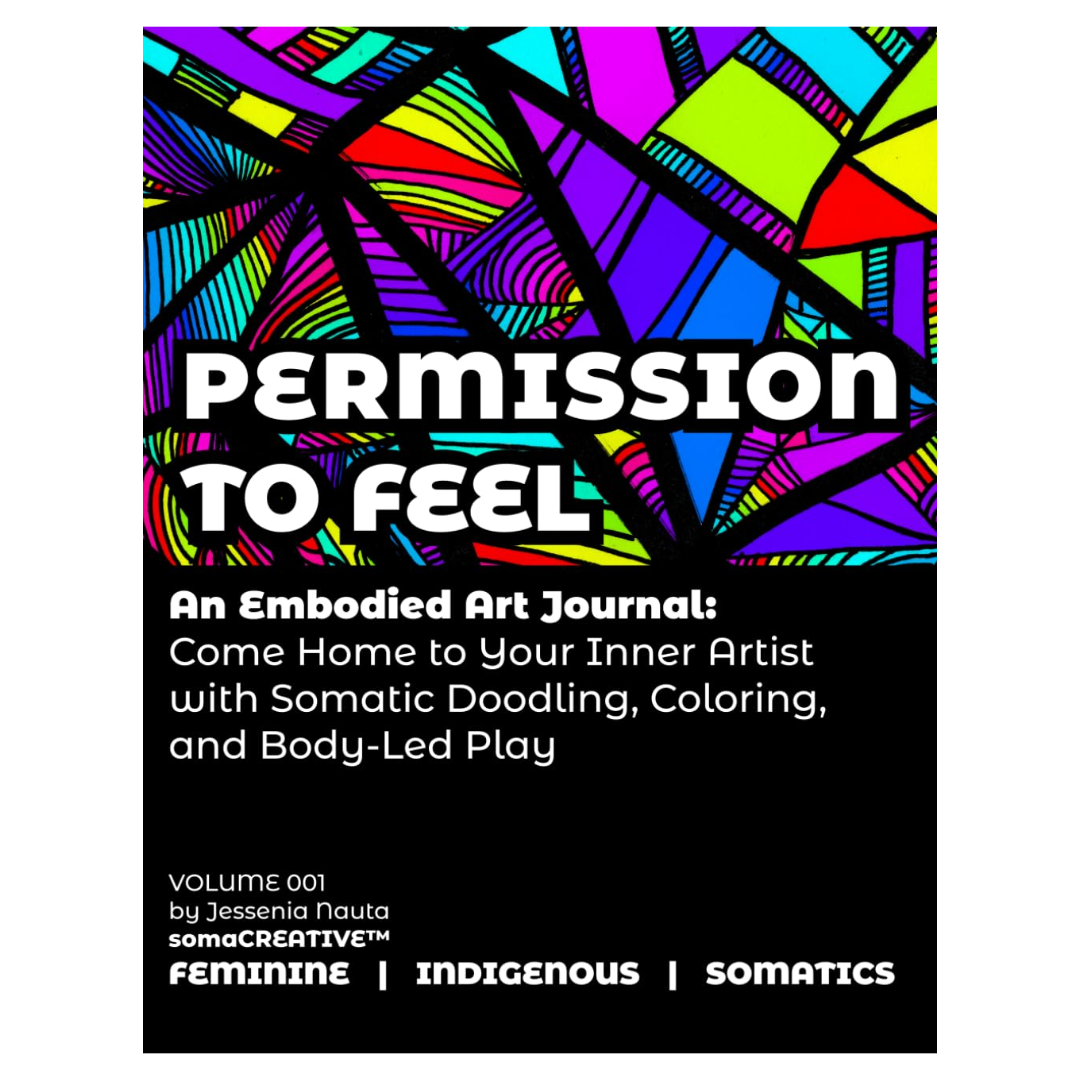
Nervous System in Survival Mode? A Somatic Art Journal to Shift from Survival into Inner Safety.
Being Human is a commitment to transforming. Transforming into the person you need to be to receive the nourishment you deserve.
Allow a relationship with the Earth, the Feminine, and your Inner Artist to guide you through a series of somatic mirrors, doodles, coloring, and prompts. Regardless of gender. Remember Indigenous Feminine Wisdom. All by giving yourself Permission to Feel.
Release the “Work” in Being Human
This book has been specifically made with a lot of love, imperfections, and a deep desire for fun to be brought back into the process of Being Human. Being Human was never meant to be difficult. It was never meant to be serious. Being Human is fun, and this book will show you the “how” while offering you the power in reconnecting with transformation through your relationship with the Earth.
What I’m here to offer you is a path that allows you to open up that possibility and allow it to be fun. Through art as a way to communicate with the Earth. Somatics as a way to connect to your unique flavor, the deeper root of what makes you you. The Feminine as your ability to feel.
15 Somatic Mirrors for Building Somatic Resilience
These mirrors all have different levels of intimacy to support you in connecting to the Indigenous Feminine Wisdom that lives within your cells.
Mirror 001 — Presence
Mirror 002 — Intensity
Mirror 003 — The Loudest Feeling
Mirror 004 — Welcoming What’s Here
Mirror 005 — Desire
Mirror 006 — Fun
Mirror 007 — Hiding
Mirror 008 — Pain
Mirror 009 — Discomfort
Mirror 010 — Wildness
Mirror 011 — Smallness
Mirror 012 — Fear
Mirror 013 — Joy
Mirror 014 — Stress
Mirror 015 — Anger
100% Human-Drawn Ancestral Art
The drawings in this book are filled with Ancestral Magic to support you in creating a relationship with the Earth through a clear and easy mirror with yourself.
A Non-Verbal Space to Explore
This book gives you a non-verbal space to explore freely while growing a somatic language with your body that you can bring into your sessions with your therapist. It is not a replacement for therapy, but a place to support you in your self-growth and expanding your somatic library of what’s moving within the roots of who you are.
8.5 x 11 234 pages
One breath,
One sensation at a time.
All genders, ages, and skin colors welcomed.
somaCREATIVE™
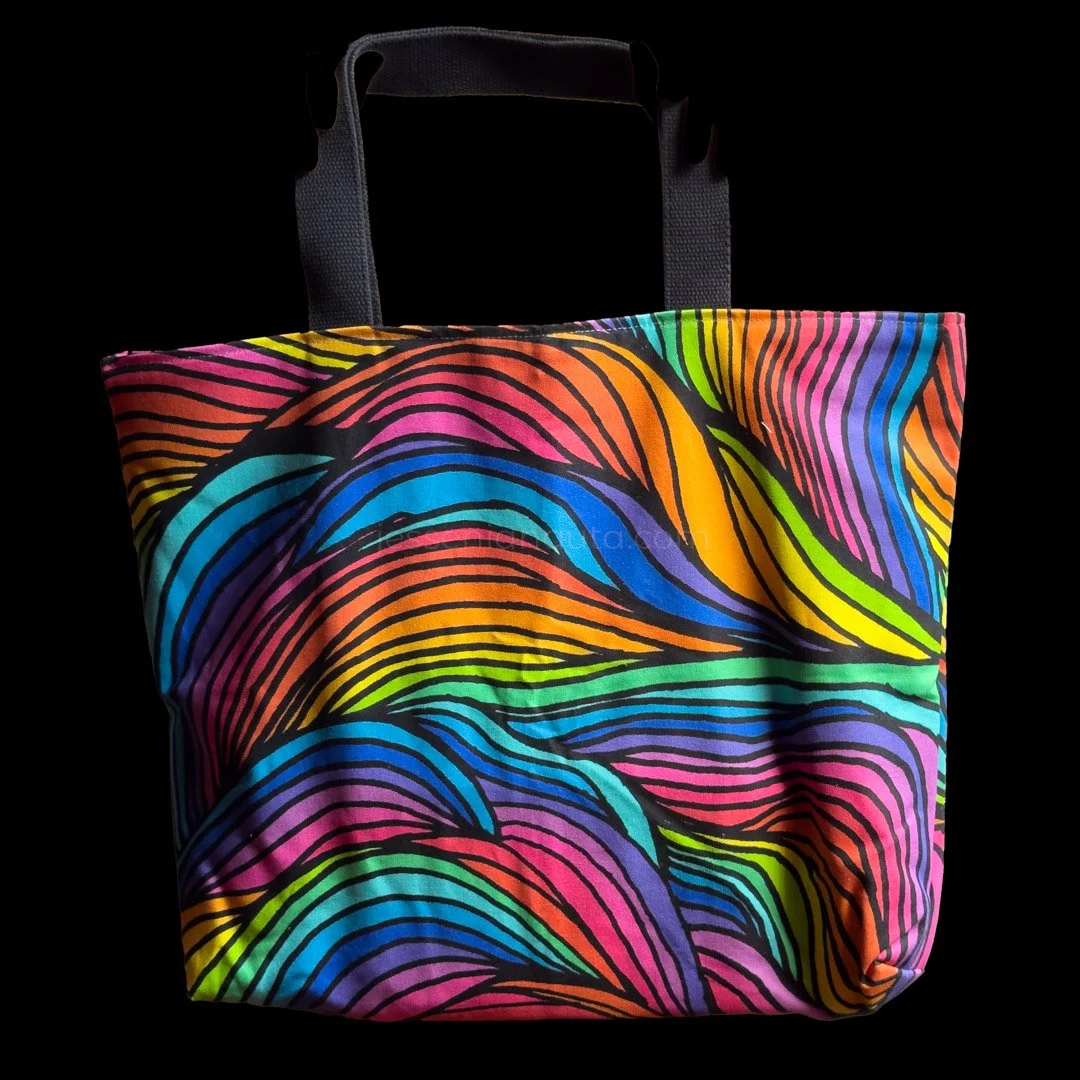
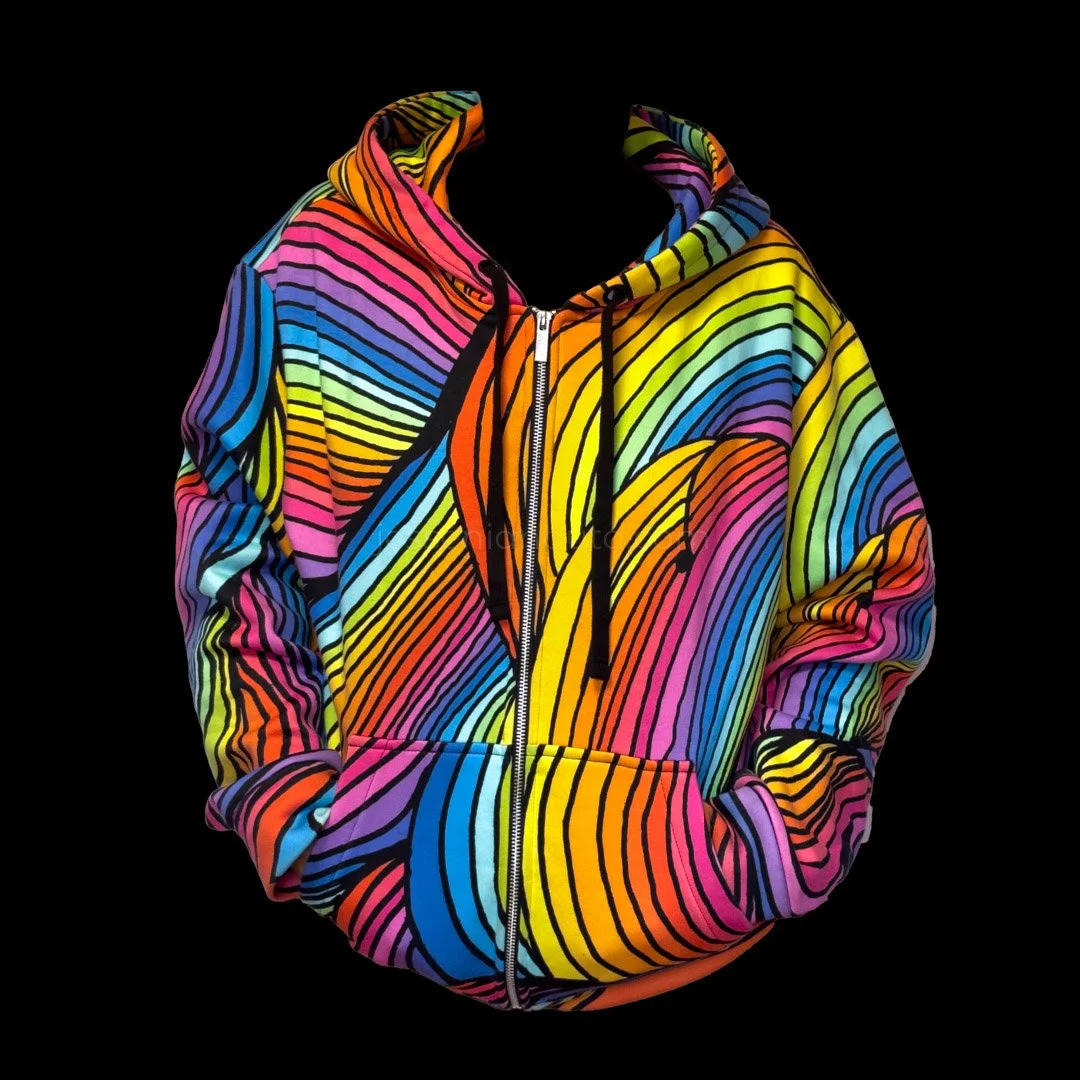
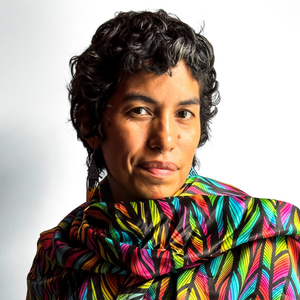
100% mulberry silk charmeuse — ultra-luminous, weightless, and deeply luxurious against the skin. Hand-drawn original art by Jessenia Nauta printed and sewn in Montreal, Canada. Print visible approximately 50% on the reverse side.
Photographed — 50" × 50"
Every scarf comes with an art card that invites you to color in between the lines.
Care — Machine wash cold with ¼ cup vinegar and 2 teaspoons salt. Fill the machine with water and skip the eco cycle. Machine dry on delicate or hang to dry. Iron on the silk setting. Do not bleach. Dry cleaning is allowed.